
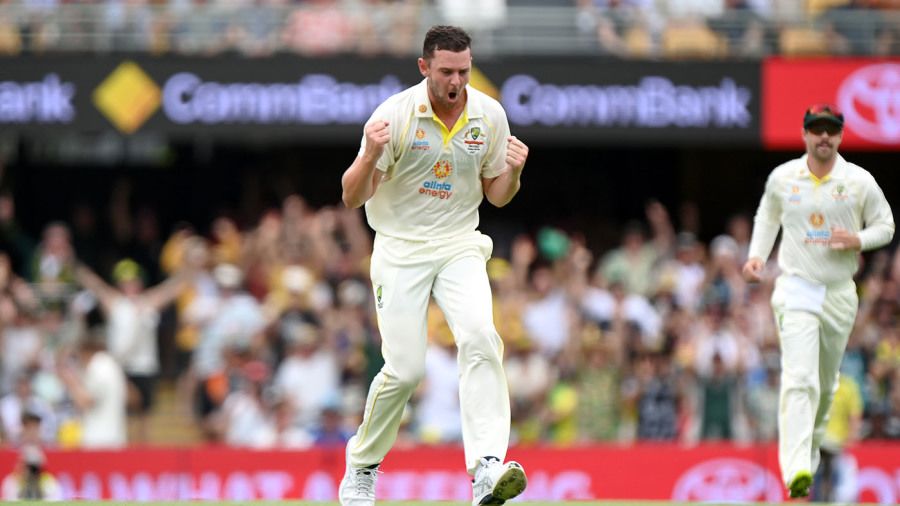
Josh Hazlewood, Australian pacer, believes giving one unsuccessful review to each of the teams’ first and second innings might be a better option and may work in favour of cricket. The Decision Review System (DRS) was introduced in 2008 for eliminating the poor decisions given by on-field umpires.
Recently, the International Cricket Council increased the number of unsuccessful reviews to three per side per innings as part of updated conditions in aftermath of the covid-19 pandemic.
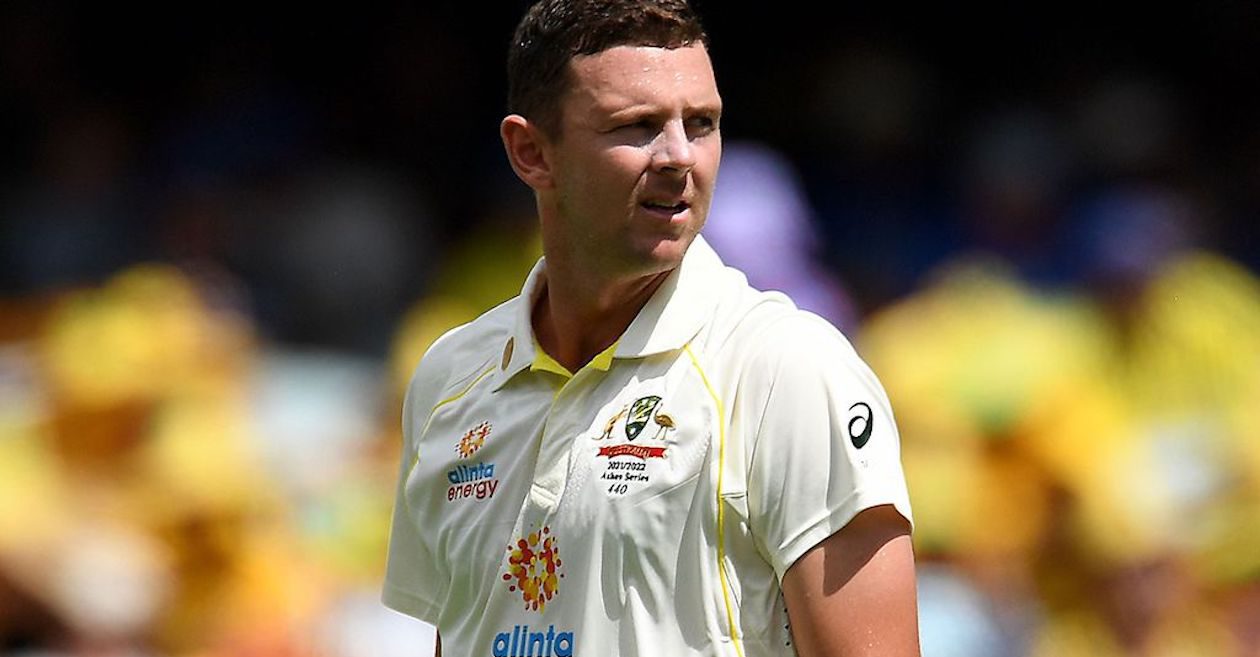
Josh Hazlewood Urges To Have Only 1 Review Instead Of 3 Which May Work
Josh Hazlewood has so far played 51 Tests, 48 one-dayers, and 7 T20Is managings to take 281 wickets across the three formats. He asked whether umpires were being biased and confused by calculating the number of reviews left and which teams have got reviews left.
“I would review them all day if I could but to have a better impact on the game, I think one might work better. If you just had one each per innings then people would use it totally differently,” cricket.com.au quoted Hazlewood as saying.

“I think umpires can fall into a trap of umpiring a little bit differently depending on who’s got reviews left and how many they’ve got. They’ve got to umpire based on nothing there as well, but if you just had one each you’d save it, you wouldn’t use it early unless you were positive and that’s what it’s there for, that howler,” he added.
Australia quick Josh Hazlewood feels reducing the number of unsuccessful reviews to just one for each team as part of the Decision Review System (DRS) would have a better impact on Test cricket.
Josh Hazlewood Explains Australian Process For Reviewing Decision
The pacer also explained the method of reviewing a decision by Australia and the changes incorporated after the 2019 Lord’s test against England.
“After that game (Lord’s Test) we sat down and said, let’s put a process in place. At least we had something to fall back on if we don’t know. That was the bowler and the wicketkeeper and someone from the side on comes in and we have a quick discussion why wasn’t given out,” Hazlewood said.
They decided on the person giving the call for reviewing the decision and a process was put in place for them.
“That’s why the square fielder comes in to say, the height looked good from my angle. The keeper (Paine) has a say, and he’s obviously the captain as well, so that helps, and we make a quick call then and at least we have a process now we go through,” he added.
Josh Hazlewood was last seen in action in a one-dayer against New Zealand earlier in 2020 in March. After the first one-dayer was won by Australia, the remaining two matches were postponed.
After being introduced back in 2008 as an experimental ploy, the Decision Review System (DRS) has now become one with the sport of cricket, but it has also undergone a ton of changes. While initially, the bowling and batting sides were handed two reviews each per innings with the idea that both teams’ reviews will get ‘reset’ after the 80-over mark, this rule was changed in 2017.
In October 2017, the ‘reset’ rule was removed and teams were instead allowed to ‘retain’ their reviews in case of an umpire’s call; this was not the case in DRS’ previous avatar and it was a change that was welcomed by cricketers across the world.
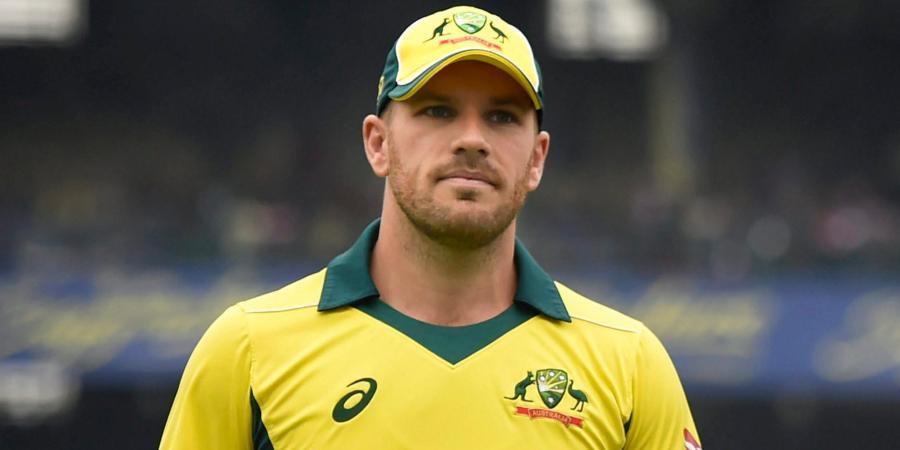
Australia might tour England for 3 ODIs and 3 T20Is and Josh Hazlewood will be seen again if selected in Australian colours in a team led by Aaron Finch.