
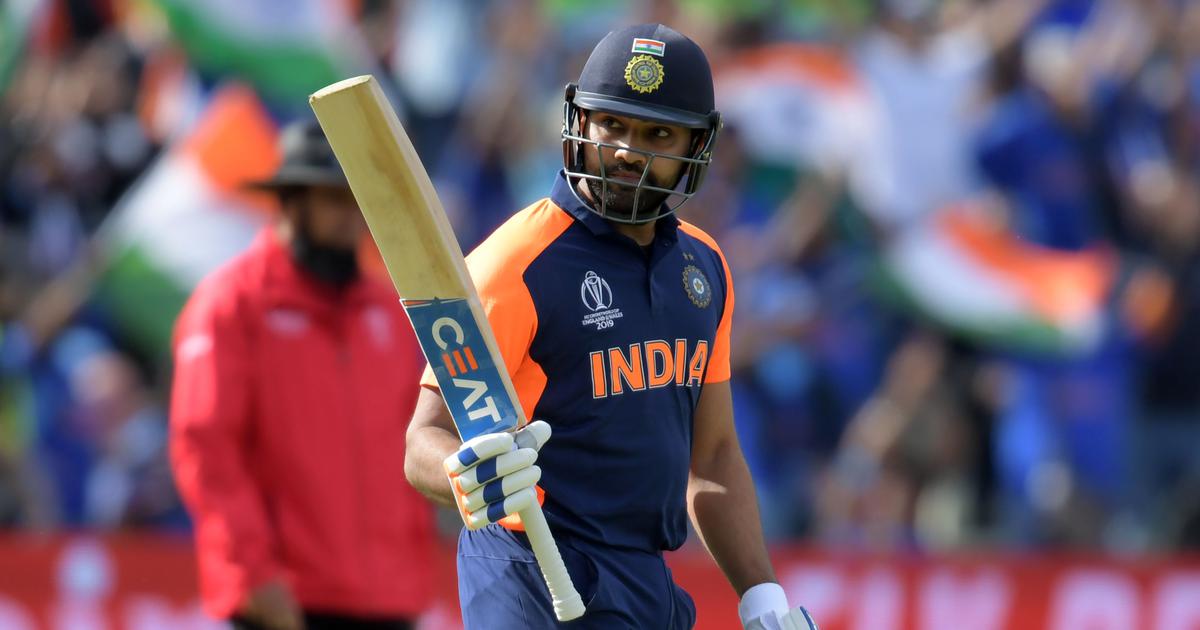
BCCI, on Wednesday, underplayed Virat Kohli’s sacking as India’s ODI captain and the handing over the overall white-ball charge to Rohit Sharma. The Test opener will now lead both T20I and ODI sides.
A senior BCCI official informed that the decision was in the works for a while but it was the selectors who took the final call. Unlike the T20I captaincy change, where the announcement came from Virat Kohli himself, citing his workload, the ODI leadership switch is seen as a BCCI decision.
BCCI Wanted A Complete Leadership Separation Between Tests And Limited Overs
Virat Kohli wasn’t informed about the decision beforehand. Again, this was a departure from the past. At the time he relinquished T20I captaincy, Virat Kohli had mentioned his conversation with former India head coach Ravi Shastri, BCCI president Sourav Ganguly and board secretary Jay Shah before taking the decision. Giving up Royal Challengers Bangalore’s captaincy in the Indian Premier League, too, was his own choice.
“The BCCI wanted absolute clarity between red-ball and white-ball cricket. The BCCI wanted a complete (leadership) separation between the longest format and shorter formats to avoid any confusion. In the end, it was left to the selectors to take a call. They decided to appoint Rohit as new ODI captain,” a BCCI insider said.
Three months ago, while relinquishing T20I captaincy after the conclusion of the T20I World Cup 2021, Virat Kohli had expressed his desire to lead India in Tests and ODIs, going ahead.
“Understanding workload is a very important thing and considering my immense workload over the last 8-9 years playing all 3 formats and captaining regularly for last 5-6 years, I feel I need to give myself space to be fully ready to lead the Indian team in Test and ODI cricket,” he wrote on Instagram on September 16.
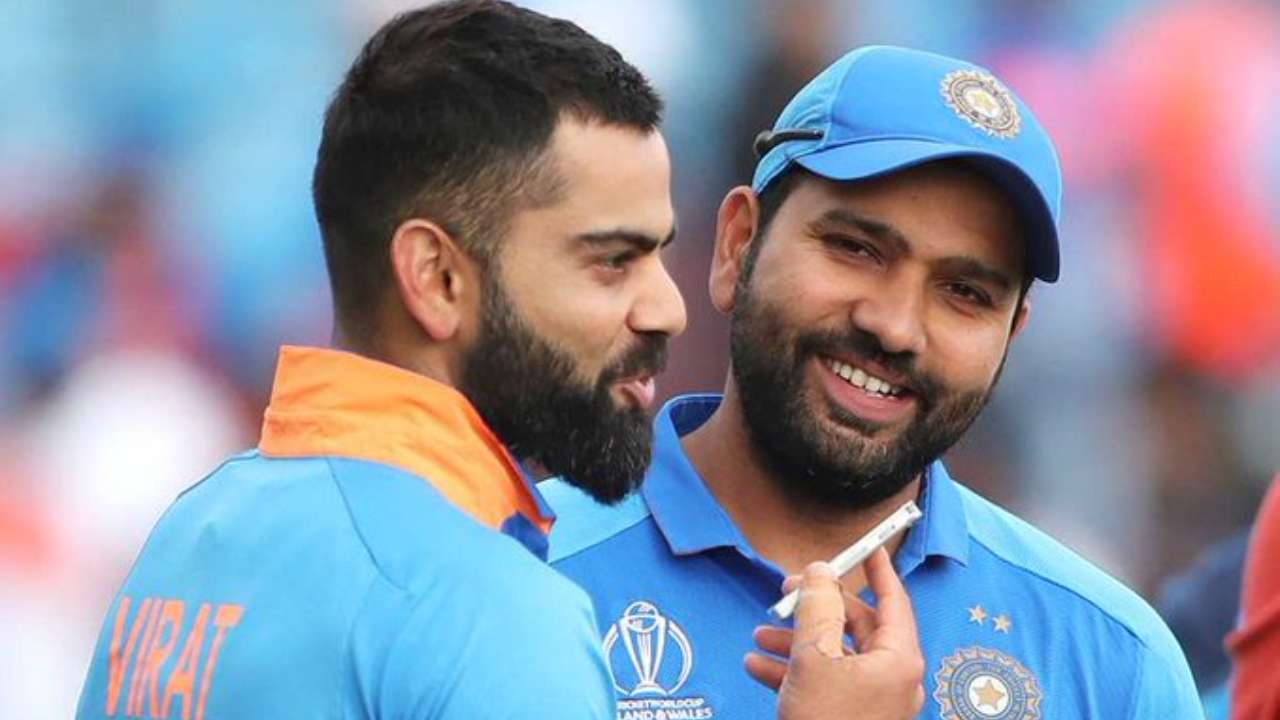
However, after India’s early exit from the T20 World Cup, it was clear that BCCI wasn’t on the same page as Virat Kohli. They would make it official at the first given opportunity.
The Test squad announcement that had Virat Kohli as captain and Rohit Sharma as vice-captain ended thus: “The All-India Senior Selection Committee also decided to name Mr Rohit Sharma as the Captain of the ODI & T20I teams going forward.”
The first signal about Virat Kohli’s shaky position in the hot seat came about when BCCI brought in MS Dhoni as the team mentor for the T20I World Cup. Virat Kohli’s inability to win ICC events was a concern for the Indian board.
However, in a move that surprised even BCCI officials, Virat Kohli made public his decision to give up the T20I captaincy even before the tournament started. With India hosting the 2023 50-over World Cup, Virat Kohli didn’t wish to give up the ODI captaincy.
However, in Indian cricket, captaincy decisions have never been left to the players. Kapil Dev was sacked within a year of winning the 1983 World Cup. Sunil Gavaskar stepped down after winning the World Championship of Cricket in 1985. Sourav Ganguly’s captaincy was taken away in acrimonious circumstances. Even MS Dhoni, with three world titles in his bag, was informed by the then selection committee when it was felt that a white-ball captaincy change was required.
In another interesting development, the selectors elevated Rohit Sharma to Test vice-captaincy, replacing Ajinkya Rahane, although the latter was picked for the three-match series in South Africa. Virat Kohli has been one of India’s most successful white-ball captains. In 95 ODIs, he won 65, giving him a winning percentage of 70-plus. In 45 T20Is, he led India to victory 27 times.
Rohit Sharma has been Virat Kohli’s longstanding deputy in limited-overs cricket, captaining the team in 10 ODIs and 19 T20Is before he was given full-time charge during the recent three-match home series against New Zealand. He started with a clean sweep. Five IPL titles leading Mumbai Indians in IPL made him an obvious choice as Virat Kohli’s successor.
Virat Kohli took over the limited-overs captaincy from MS Dhoni in 2017 and under him, India won the limited-overs series in every country. But he failed to triumph in ICC events. The closest India came to annexing global silverware was at the 2017 ICC Champions Trophy, where the team lost to Pakistan in the final.
The T20 World Cup in UAE this year wasn’t up to expectations as India lost their first two group league games against Pakistan and New Zealand and crashed out of the tournament in the group phase. The BCCI publicly took a kinder view on the team’s T20 World Cup debacle, considering it as “one bad tournament”. But it is learned that the board wanted a new direction in limited-overs cricket under a new captain.
Rohit Sharma Would Now Have Ample Time To Build 2022 T20I And 2023 ODI World Cup Squads As Virat Kohli’s Form Slump Didn’t Favour The Test Skipper
The next T20 World Cup in Australia is less than 12 months away, while India will host the 50-over World Cup a year later. The BCCI and the selection committee clearly wanted to give Rohit Sharma time to build the squad for the two upcoming ICC events.
A form slump also didn’t do Virat Kohli any favours. Over the past two years, he has scored 560 runs in 12 ODIs without a century. His average during this period is 46.66, well below his career average of 59.07. In 20 T20Is during the same period, he has scored 594 runs at 49.50, while in 13 Tests in the last two years, he made 599 runs at an average of 26.04. Ravi Shastri, however, had defended his captain’s lean patch, citing bubble fatigue.
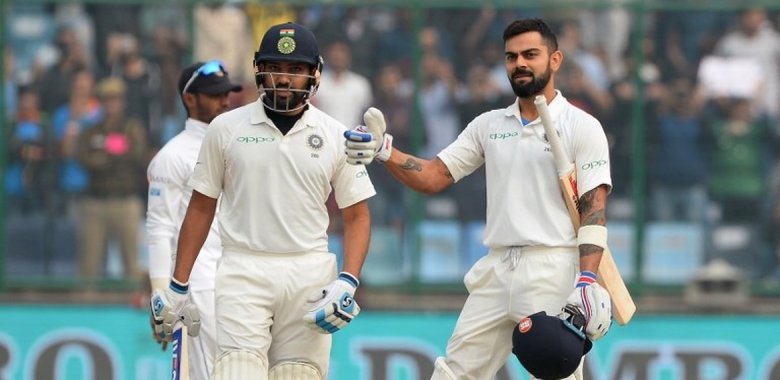
“In the last 24 months, they (players) have been home for 25 days. I don’t care who you are, if your name is Bradman and you are in a bubble, your average will come down because you are human,” he had said.
Indian cricket has barely dealt with split captaincy and two power centres in the team. It would be interesting to see how new head coach Rahul Dravid handles this going ahead. Under Virat Kohli, India has scaled unprecedented heights in Tests and as of now, he remains the long-form captain. But even there too, Rohit Sharma’s shadow could be unmistakable.