
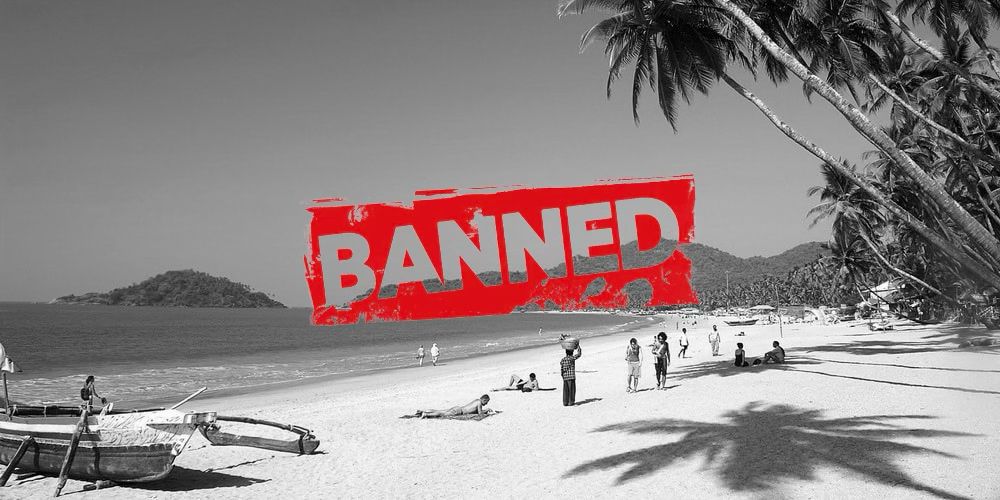
Goa’s government has introduced sweeping regulatory changes targeting casinos and online sports betting platforms, with significantly higher penalties and tighter licensing norms. This article examines the implications of these measures, their rationale, and the potential effects on tourism and the gaming ecosystem.
Goa recorded a 27 per cent jump in domestic air passengers towards the end of 2024, with Dabolim airport handling 1.2 lakh domestic travellers in just one week — a strong signal of the state’s continued popularity as a leisure destination. Against this backdrop of booming visitor inflows, the state has moved to reinforce oversight of its gaming sectors.
This article breaks down the most notable changes in Goa’s gaming regulations. It looks at the new penalty structure for violations, the stricter licensing criteria for casino and online betting operators, the state’s clampdown on illegal gambling and tax evasion, and the potential impact these measures may have on Goa’s tourism-driven economy.

Higher Penalties for Violations Under New Regulations
In one of the most significant shifts in gaming regulation in recent years, Goa’s government has authorised fines of up to Rs 25 lakh for a first breach of licence conditions. Repeat offences will now incur Rs 50 lakh for a second violation and Rs 75 lakh for a third or subsequent breach.
Previously, the regulatory toolkit was more limited — authorities could suspend or revoke licences, but there was no structured fine system with escalating penalties. The new framework introduces a clear, tiered penalty model that leaves little room for operators to skirt compliance without consequences.
Officials have also been granted the authority to seize security deposits from errant operators and to cancel licences outright in cases of severe or repeated misconduct. This represents a calculated effort to ensure that licence holders maintain strict operational standards at all times. The fines are not symbolic — they are substantial enough to act as a deterrent even for larger casino chains.
Licensing Requirements Get Tougher for Operators
Beyond fines, Goa’s licensing process has been overhauled to demand greater transparency and accountability. Operators now face more rigorous documentation requirements, stricter financial scrutiny, and clearer demarcations between skill-based and chance-based games.
One notable area of focus is promotional activity. Certain marketing tactics — such as widely advertised “free no deposit bonuses in India” — are coming under closer review. While such promotions have been used to attract new players, regulators are increasingly concerned about their potential to mislead consumers or encourage risky betting behaviour.
Under the updated rules, operators will have to justify promotional schemes and demonstrate that they do not cross into practices deemed irresponsible or exploitative. This step aligns Goa’s stance with broader national discussions about the ethics and legality of online betting promotions, particularly those that blur the lines between regulated skill games and outright gambling.
Government Targets Illegal Gambling and Tax Evasion
The tightening of rules extends well beyond the formal casino floors of Panaji and the Mandovi River. Goa’s enforcement agencies are being directed to crack down on unlicensed online betting sites, unregistered sports wagering, and other unauthorised gaming activity.
The push is part of a larger national trend. In recent years, the central government has sought to close tax loopholes in online gaming by applying a 28 per cent Goods and Services Tax (GST) on the full value of each gaming transaction. This measure was introduced to reduce opportunities for tax evasion and to bring offshore and domestic operators under a uniform tax net.
Goa is now aligning its enforcement focus with these national measures. Authorities have signalled that betting sites without a state licence — even if they operate from outside India — will be flagged and potentially blocked. There is also a coordinated effort with other states to share intelligence on illegal betting networks, particularly those linked to cricket and football wagering.
Impact on Goa’s Tourism and Gaming Industry
Casinos remain an important revenue stream for the state government. Over the past decade, they have contributed more than ₹1,200 crore in taxes and fees. Goa currently has 13 operational casinos — seven onshore and six offshore — which together attract both domestic tourists from metro cities and international visitors.
With these new regulations, there is a possibility of short-term disruption. Smaller operators may find the compliance costs too high, leading to closures or consolidation within the industry. This could result in a temporary dip in casino-related revenue and potentially affect employment in the sector.
On the other hand, stricter oversight could improve the perception of Goa’s gaming industry as a safe and well-regulated environment. If visitors believe the state is serious about preventing fraud, tax evasion, and unsafe betting practices, it may encourage more cautious tourists to participate in gaming activities.
However, regulation has already had ripple effects beyond the casinos themselves. Recent enforcement action against informal games such as “Housie” (Tambola) at local fairs and clubs has drawn criticism from community organisers, who argue that the crackdown has disrupted long-standing social and cultural traditions. Balancing the protection of consumers with the preservation of local customs will remain an ongoing challenge for the government.
The Road Ahead for Goa’s Gaming Sector
Goa’s recalibrated approach to regulating casinos and online sports betting marks a turning point in the state’s gaming policy. The combination of heavy fines, stricter licensing, and targeted action against illegal operators signals that authorities want a more controlled and accountable industry.
The real test will be in implementation — ensuring that rules are applied consistently, that enforcement is not selective, and that both economic and social considerations are weighed.
As Goa continues to welcome large numbers of tourists, these changes will determine whether the state can maintain its status as India’s most recognisable gaming hub while ensuring that the benefits of the industry are balanced against its risks.