

To keep the toss out of the equation, the governing body of the International Cricket Council (ICC) has provided Indian pitch curators with certain protocols for the 2023 World Cup. According to reports, it specifies the bigger boundary sizes and how much extra grass should be kept on pitches.
India will host the highly awaited ICC World Cup 2023 between October 5 and November 19. For the first time, India will host the ODI World Cup by themselves having hosted the 2011 edition alongside Sri Lanka and Bangladesh. Nearly every region of the country will host games during the major event, which will take place across ten locations.
Due to the dew factor, the toss is quite important in these months in India, because the ball comes onto the bat more easily in the second innings as compared to the first essay of the game. The spinners will have a hard time gripping the ball in tough conditions in India, as the batting becomes simpler in the 2nd innings.
“Venues in the northern, western and eastern states of India are likely to witness heavy dew at this time of year. Matches in Chennai and maybe Bengaluru are likely to see a decent amount of rain. The main idea is to keep the toss out of the equation as much as possible.
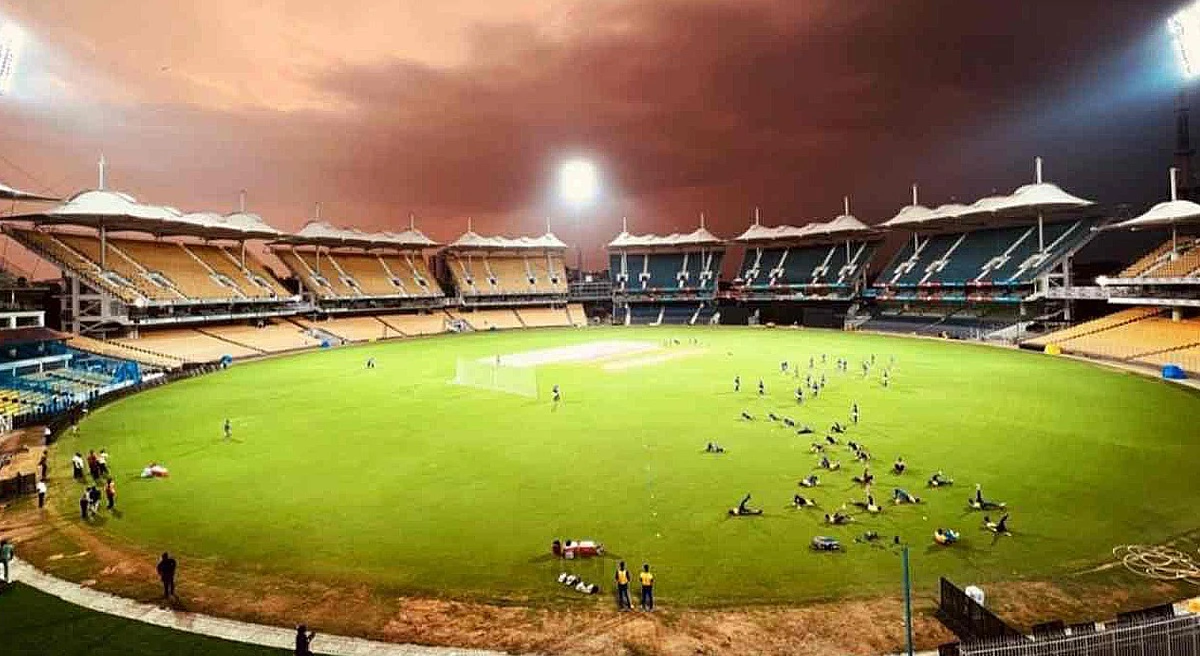
“The minimum size of boundaries for international matches is 65 metres and the maximum is 85 metres. The old centres have a boundary size of around 70-75 metres. It has been suggested that boundaries should be kept more than 70 metres”.
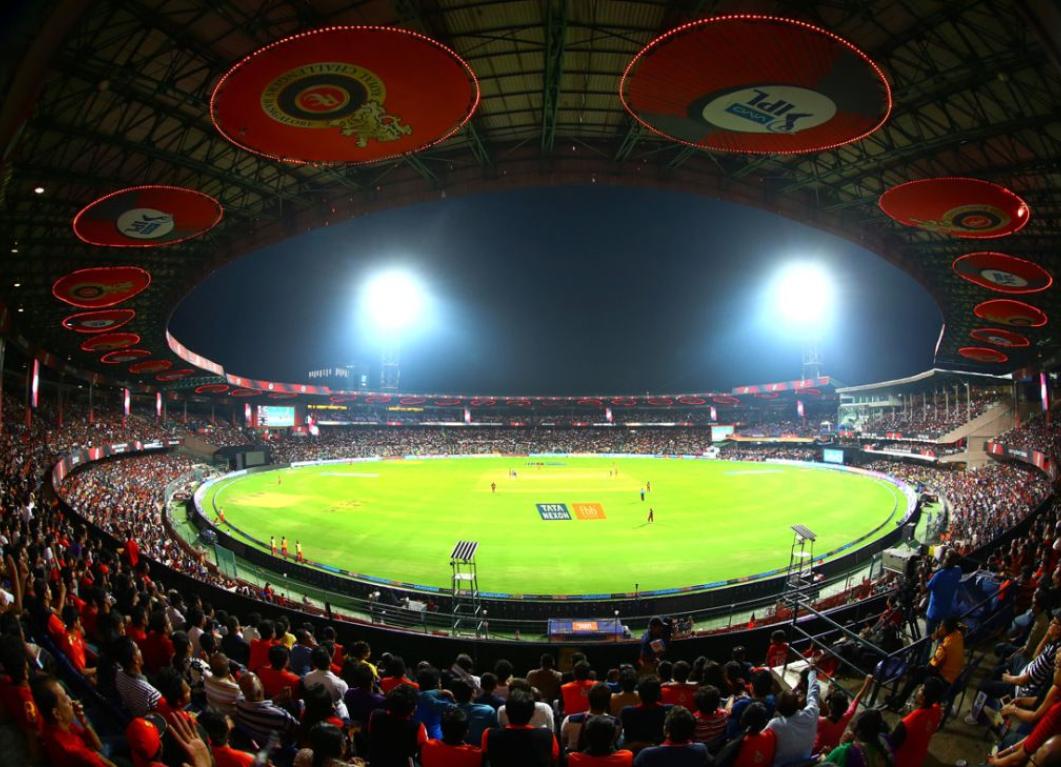
“The Indian Cricket Board (BCCI) has also directed curators to use a wetting agent that has been standardized by the board and ICC. Most venues these days use similar wetting agents. But now the board has directed every centre to not use any other wetting agent than what has been prescribed,” it added.
On October 5, the eagerly anticipated match between the reigning champions England and New Zealand will kick off the World Cup in Ahmedabad and India will kick start their campaign against Australia on October 8 in Chennai.